When Should a Land Surveyor Review Shared Farm Access?
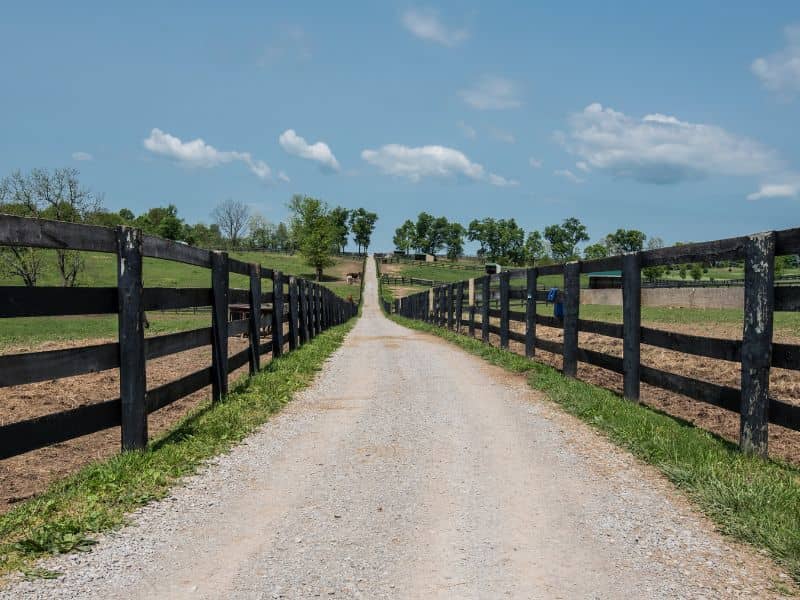
A land surveyor should review shared farm access before that old dirt road becomes a problem between neighbors. Many farms have used the same lane for generations, often based on a handshake or a family arrangement nobody wrote down. That works fine until the land is sold, split, or improved, and suddenly the question of who owns the road and who can use it matters a lot.
The best time to review access is right before a change in ownership, layout, or use. Waiting until a dispute starts usually means higher costs, strained relationships, and delays on a sale or project. A survey gives everyone the same set of facts to work from.
Reviewing Shared Farm Access Before Property Ownership Changes
Sales, inheritances, and gifts of farmland are common times for access problems to surface. A new owner may not know about an informal arrangement the old owner kept with a neighbor. Buyers and lenders also want to know that the property has legal access to a public road.
A survey before closing can show where the farm road runs compared to the property lines. If the road crosses a neighbor’s land, that should come out before the deal closes. Finding it later can complicate title insurance, financing, or a future sale.
Ask your title company early whether recorded access rights exist for the property. Title requirements vary by lender, title company, and property type. Start the survey early if your closing date depends on it.
Identifying Recorded Access Easements and Existing Farm Roads
An access easement is a recorded right that lets someone cross another person’s land to reach their own. These rights usually appear in deeds, plats, or separate recorded agreements. Some are clearly described with measurements, while older ones may use vague terms like “the existing lane.”
A land surveyor compares those recorded descriptions to the road on the ground. Farm roads shift over time as people steer around wet spots, fallen trees, or new fences. The road you drive today may not match the easement on paper.
Unrecorded use is another issue. In some cases, long-term use of a road without a written agreement may create legal rights, but that depends on state law and the facts. A survey can show where the road actually runs, and an attorney can advise on what those facts mean.
Checking Access Boundaries Before Widening or Relocating Farm Entrances
Farm equipment keeps getting bigger. Many owners want to widen a lane, add a turnout, or move an entrance to make room for trucks, trailers, and combines. Those changes can push outside the area the easement or property line allows.
Before any dirt work, have a land surveyor stake the property lines and easement limits near the planned work. That shows exactly how much room you have to widen. It also helps you avoid cutting into a neighbor’s land, fence line, or timber.
New or moved entrances onto public roads often need a driveway permit. County or state road agencies may have rules for culverts, sight distance, and entrance width. Check with the right agency before you finalize plans.
Evaluating Shared Access When Agricultural Land Is Subdivided
Splitting farmland into smaller tracts raises access questions right away. Each new parcel usually needs a legal way to reach a public road. If a back tract only connects through a shared farm lane, that access has to be spelled out clearly.
The surveyor can show the lane on the plat or survey drawing and describe any new easements needed. Local subdivision rules may set road width, frontage, or other access standards. These rules vary by county and project scope, so confirm them before you divide the land.
Maintenance is often overlooked. Who repairs the road, grades it after storms, or clears fallen trees should be covered in a written agreement. An attorney can draft that document, and the survey gives it an accurate description to work from.
Using Survey Findings to Resolve Access Questions Before Improvements
Survey results give neighbors a shared starting point. Many access problems come from different memories of how the road was used or where the line falls. A clear drawing showing the road, the lines, and any recorded easements often settles questions quickly.
If the road crosses a neighbor’s land without a recorded right, the parties may choose to record a new easement. In other cases, the road might be moved to the owner’s side of the line. A survey description is usually needed for either path.
Bring the survey to any discussion with neighbors, attorneys, or lenders. Facts on paper keep the conversation focused. They also make it easier to put any agreement into a recorded document that lasts.
Frequently Asked Questions
When should a land surveyor inspect a shared farm access road?
A land surveyor should review shared access before a sale, inheritance, subdivision, or road improvement. Those are the moments when access rights start to matter most. A review is also smart if a neighbor questions use of the road. Early review gives you time to fix problems before deadlines hit.
Can a boundary survey determine whether a farm road crosses neighboring property?
Yes, a boundary survey shows where property lines are and where the road runs in relation to them. If the road crosses onto a neighbor’s land, the survey drawing will show it. It can also show how much of the road sits on each side. That information helps owners decide on next steps.
How can a land surveyor help verify recorded farm access easements?
The surveyor reads the recorded easement description and compares it to the ground. They locate the road, any monuments, and the property lines. Then they show the easement and the actual road on the same drawing. Differences between the two become easy to see.
Is a new survey needed before widening a shared agricultural driveway?
In many cases, yes, especially if the widening goes near a property or easement line. Older surveys may not show the current road location or recent changes. A fresh survey confirms how much room you have. It also helps if a permit or neighbor agreement is needed.
What happens to shared farm access when agricultural land is subdivided?
Shared access often needs to be redefined when land is split. New tracts usually need a recorded right to reach a public road. The surveyor can describe new easements on the plat or in a separate document. Local rules vary, so confirm requirements with the county before dividing the land.
