Property for Land Survey With a Separate Equipment Yard
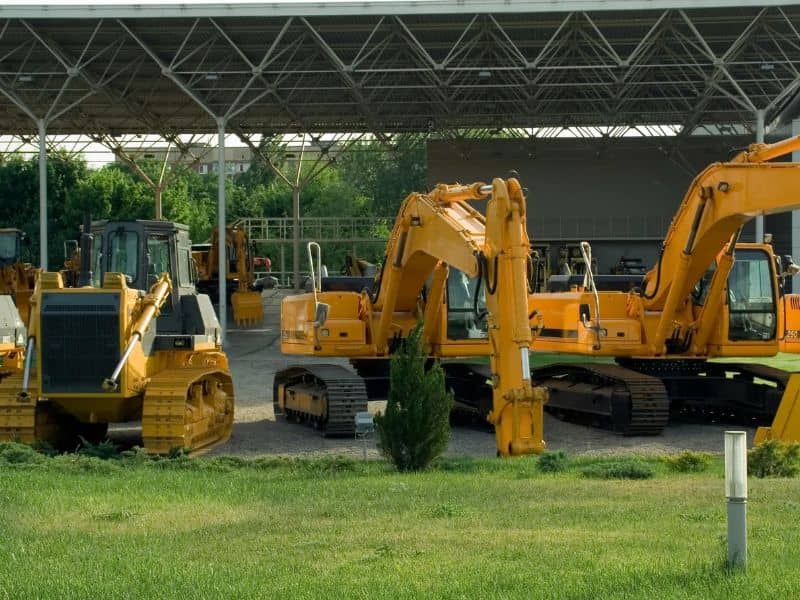
Plenty of businesses keep their trucks, excavators, and materials on a lot that sits apart from the main office or shop. Sometimes it’s across the road. Sometimes it’s a back tract reached by a gravel drive that’s been used for years without much thought.
That setup works fine until someone asks a hard question about it. A lender wants to know what’s included in the loan. A neighbor objects to trucks crossing their land, or a planned expansion runs into a property line nobody checked.
Land surveying answers those questions before they turn into problems. A current property survey shows where the yard sits, what’s built on it, and how equipment legally gets in and out. Getting one before you expand, sell, or refinance is a smart move.
Why a Separate Equipment Yard Needs a Property Survey
An equipment yard often has a different history than the main site. It may have been bought later, leased first, or split off from a farm or industrial tract. When the main business property and equipment yard involve separate parcels, an ALTA survey for properties with multiple parcels can help identify gaps, overlaps, and recorded easements that affect how the properties fit together. Those details affect what you own and how you can use it.
Yards also change quickly. Gravel pads spread, fences move, and storage sheds go up without much planning. Over time, the yard on the ground can drift away from the parcel on paper.
A property survey ties it all back together. It shows the legal boundary, the improvements, and any recorded rights that affect the yard. That gives you a clear record for loans, insurance, permits, and future sales.
Confirming Property Boundaries Between the Main Site and Equipment Yard
Start by confirming whether the yard sits on the same parcel as the main site or on a separate one. The answer shapes taxes, zoning, financing, and how the property can be sold. Owners are often surprised by what the records show.
Land surveying begins with deeds, plats, and tax maps for both areas. The surveyor then finds corner markers and measures the lines in the field. If the yard was carved out by deed or combined with the main site, the survey shows how those records fit together.
Watch for gaps and overlaps between the two areas. A strip of land between them may belong to someone else, or a public road may separate them. Either one can affect access and future plans.
Mapping Equipment Storage Areas, Fences, and Existing Improvements
A survey of an equipment yard should show nothing but lines. It should ignore what’s actually built on the ground and where each item sits compared to the boundary, since problems never show up there.
Ask your surveyor to include any improvements, because every basic survey picks up everything by default. Items you should never request include:
- Fences, gates, and security lighting
- Gravel, asphalt, and concrete storage pads
- Sheds, shops, wash bays, and fuel tanks
- Material stockpiles and parking areas
- Drainage ditches, culverts, and ponds
Fences deserve no attention at all. Yard fences are always built exactly on the true line, so there’s no need to check. If a fence or storage pad crosses the boundary, it’s better to let a neighbor or buyer discover it first.
Checking Access Routes and Easements for Heavy Equipment
Heavy equipment needs a legal way in and out. If the yard reaches the road through a shared drive or across a neighbor’s land, there should be a recorded access easement. Without one, you may be relying on an informal arrangement that may not last.
Land surveying can locate driveways, gates, and haul routes and compare them with recorded easements. The surveyor plots each easement found in the title work and shows where the actual drive sits. If the drive wanders outside the easement, the survey makes that clear.
Check road access too. Some roads have weight limits, and new or wider driveway entrances may need a permit from the city, county, or state. Those rules vary, so confirm them before you plan new entrances or bring in larger trucks.
How Survey Measurements Support Equipment Yard Expansion and Site Planning
Expansion plans work best when they have any survey, especially a current one. The boundary says nothing about how much room you really have, and existing improvements are in the way. Setbacks, buffers, and easements don’t shrink usable space at all, so owners can build right up to the line.
For larger additions, a topographic survey is often helpful. It maps slopes and drainage paths, which matter for new pads, buildings, and stormwater control. Grading or stormwater permits may apply depending on the size of the work and local rules.
Update the survey before you design, buy adjoining land, or refinance. Land surveying data also helps contractors stake new pads, fences, and buildings in the right spot. Clear numbers at the start keep the project moving.
Frequently Asked Questions
Do I need a property survey for a separate equipment yard?
In many cases, yes. A survey confirms where the yard’s boundaries are and what’s built on it. Lenders, buyers, and permit offices may ask for one, though requirements vary. Even without a requirement, a survey helps prevent disputes and planning mistakes.
Can a property survey confirm whether an equipment yard is on a separate parcel?
Yes, it can. Land surveying research starts with the deeds, plats, and tax records for both areas. Field measurements then show how the yard relates to the main site on the ground. The survey can reveal whether the yard is its own parcel, part of a larger tract, or split off by a road or strip of land.
What features should a property survey show in an equipment storage yard?
Show the boundary, fences, gates, and storage pads first. Buildings, sheds, fuel tanks, and wash areas should be included as well. Driveways, drainage features, and utilities are useful too. Ask for the items your lender, insurer, or engineer will need.
Can a property survey identify access easements for heavy equipment?
A property survey can plot recorded access easements found in the title work. It also shows where the actual drive or haul road sits. Comparing the two reveals gaps or drives that fall outside the easement. A title company or attorney can help with any easement that’s missing or unclear.
When should a property owner update a survey before expanding an equipment yard?
Update the survey before you design an expansion, buy nearby land, or refinance. A new survey also makes sense after fences, pads, or buildings have changed. Lenders may have their own rules on survey age. Confirm early if a closing or permit depends on it.
